My Journey With Mama Ayahuasca
It’s taken me a while to sit down and write about this….not because I don’t want to, but because I honestly don’t know how to talk about an experience that feels so personal.
Before I traveled to Peru at the end of June 2025, I told everyone and their mother that I was going on an ayahuasca retreat. I didn’t care who you were—old or young, conservative or liberal, co-worker, friend, or stranger—if the topic came up, I told you where I was going.
But now, almost five months later, I see how hard it is to talk about in a way that actually does it justice without diving into some of the most vulnerable parts of my life. The truth is, I’m still integrating a lot of what came up, and that makes it even harder to put into words.
Even though I’m usually an open book, this experience is something I feel protective of. So while I’m not going to share every detail of my journey, I am going to share what feels right—an overview of my experience, how I found the retreat space, a bit about the history of the medicine, the pre- and post-integration process, what the ceremonies looked like, and what I took away from all of it.
What I can say is that it was one of the most beautiful and transformative experiences of my life. It was far more gentle and loving than I expected, and I barely purged at all. I did three ceremonies in seven days, but the retreat also offered a nine day option with four ceremonies. Most people chose the longer stay, while I felt drawn to the seven day experience. There is no right or wrong choice.
Before I talk about the retreat, I think it’s important to talk about the medicine first. Knowing what ayahuasca is and the tradition it comes from puts everything else into context. So let’s start there.
History of Ayahuasca
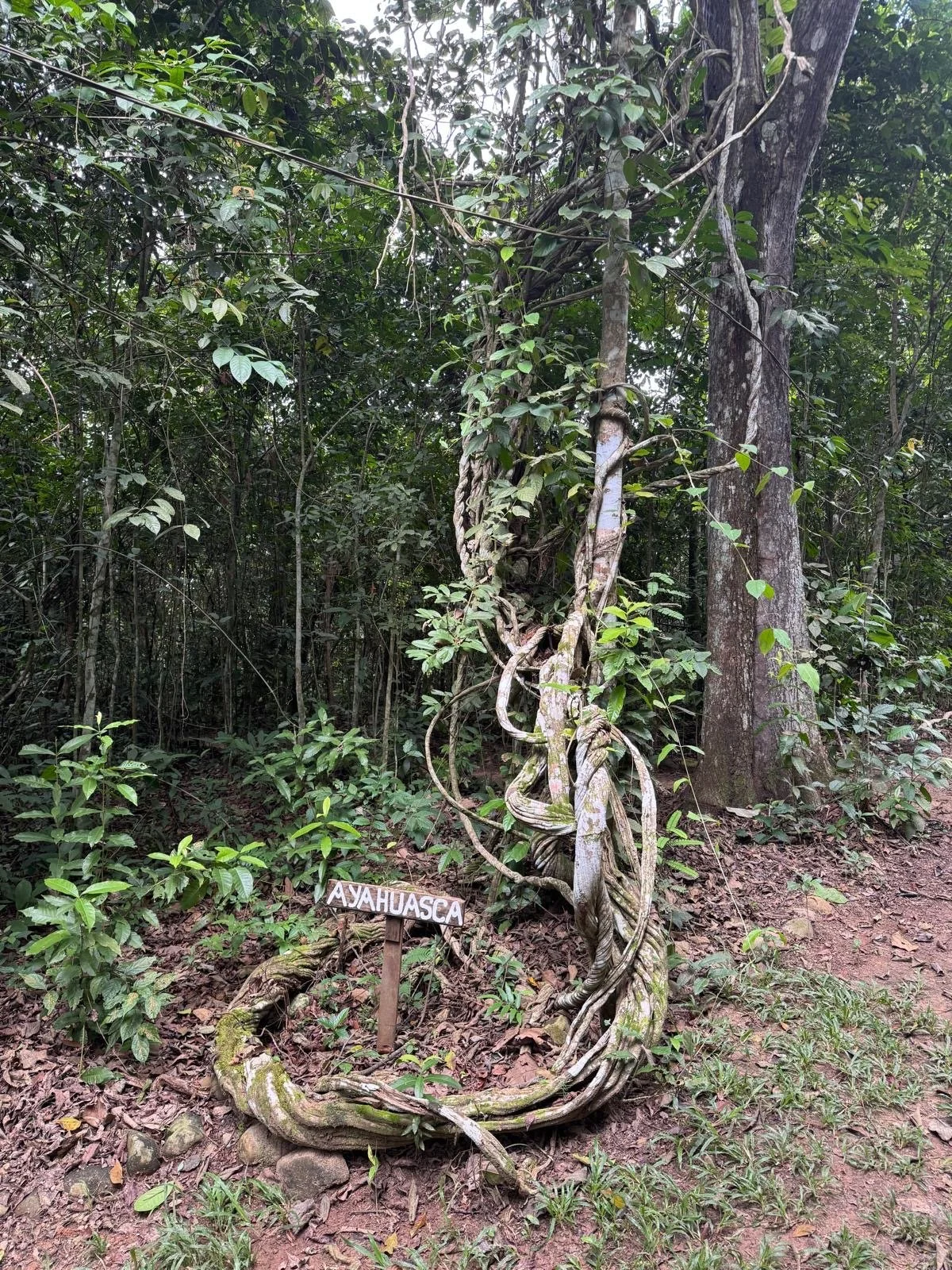
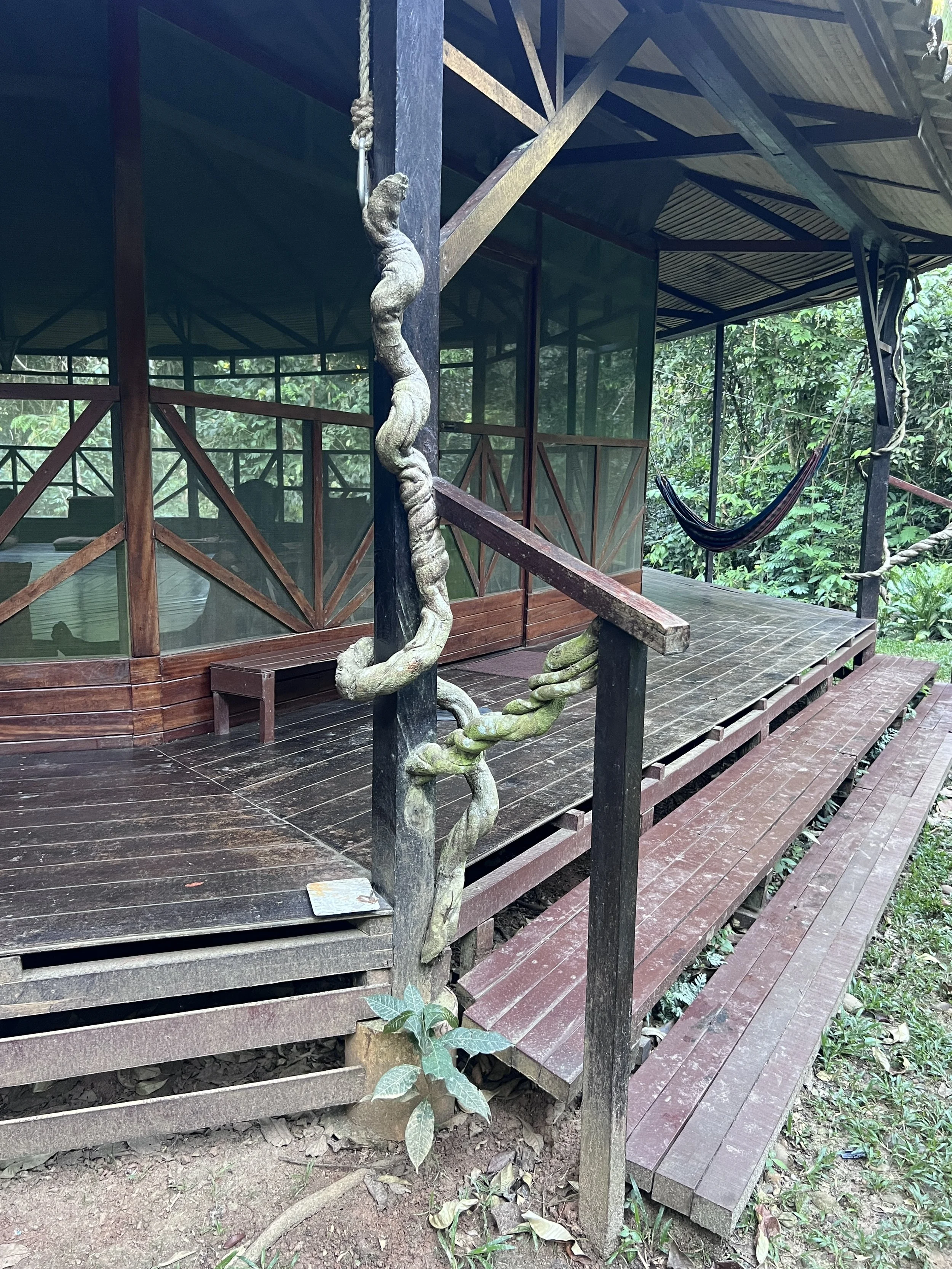
The word ayahuasca comes from the Quechua words aya (meaning spirit, soul, or ancestor) and waska (meaning rope or vine). It’s often translated as “vine of the soul” or “rope of the dead.” While no one knows exactly how long it’s been used, it’s believed that Indigenous communities in the Amazon have worked with this medicine for hundreds (if not thousands) of years.
Ayahuasca originated in the Amazon basin, across Indigenous groups in what is now Peru, Brazil, Colombia, Ecuador, and Bolivia. It’s been an essential part of shamanic and healing traditions for generations used for spiritual connection, emotional and physical cleansing, and guidance. In many Indigenous teachings, ayahuasca isn’t just a plant; it’s a living spirit—a bridge between the human and the unseen, between this world and others (cue shivers).
Within these traditions, shamans plays a vital role in guiding the ceremony. They are the caretakers of the medicine and the space, helping participants navigate the physical, emotional, and energetic layers of the experience.
Shamans often spend decades studying plants through dietas—periods of isolation and purification where they learn directly from the spirits of the plants themselves. Their role isn’t just to serve the brew; it’s to hold the energy of the space, guide visions, offer protection, and support whatever arises.
One of the most powerful parts of a traditional ayahuasca ceremony is the icaro, a sacred song sung by the shaman throughout the night. Each icaro carries a specific vibration or intention, inviting healing, cleansing, grounding, or protection. Shamans receive them through their plant work and visions, often describing them as songs the plants themselves teach. It’s one of the most beautiful and moving parts of the entire experience.
Understanding ayahuasca’s roots—the role of the shaman and the power of the icaros—is a reminder that this isn’t just a psychedelic trip. It’s part of a living, sacred tradition built on respect, reciprocity, and relationship with the plant world. It’s not something to take lightly and, in my humble opinion, should always be approached with reverence and genuine openness.
Choosing the Right Retreat Space
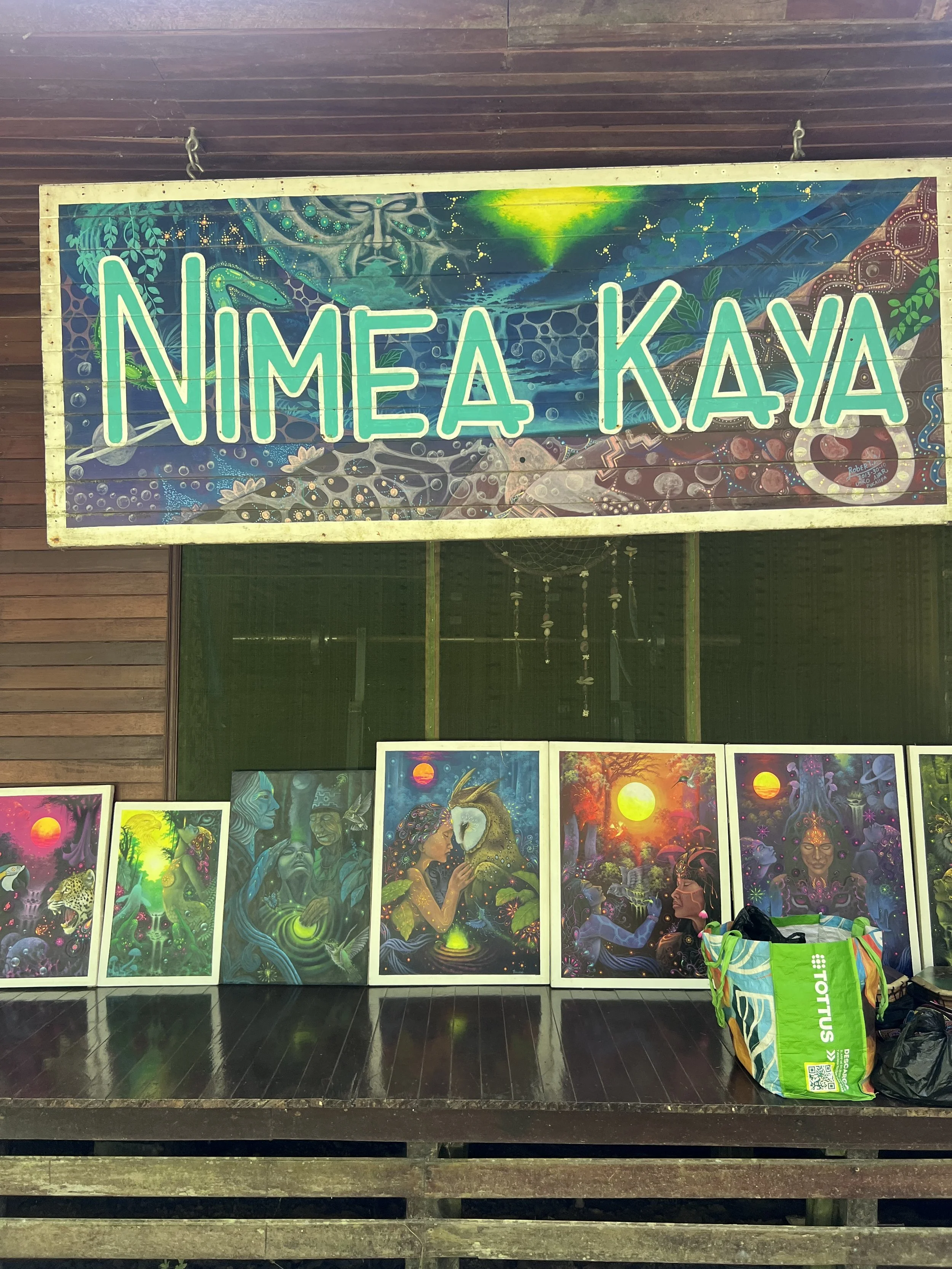
I first went to Peru in 2022 to trek to Machu Picchu and completely fell in love with the country. While there, I met a few people who had participated in ayahuasca retreats while traveling through the region. I’d heard of the medicine before, but that trip was the first time I felt genuinely curious about it. They say when Mama Aya is meant for you, she will find you—and she did.
That feeling stayed with me long after I got home. I knew I wanted to experience the medicine in the Amazon, where it’s been part of the culture and healing traditions for generations. It was also important to me to work with shamans from local tribes who had spent their lives learning from the plants and carrying forward ancestral wisdom. That kind of depth and integrity was a non-negotiable.
So I started researching retreats across the Amazon. I spent hours reading reviews, comparing programs, and scrolling through websites, but nothing felt right. Then I found Nimea Kaya and my intuition immediately said yes.
Everything about it resonated. The focus on traditional Shipibo healing, the small groups, the emphasis on integration and community. I reached out to the founder, and when she replied almost immediately with genuine warmth, I knew in my gut that I had finally found the right place for me. However, the timing wasn’t right in 2022, so I waited. I trusted that I’d know when it was actually time to go. It ended up being three years later, but I never questioned that when that moment came, Nimea Kaya would be where I’d go.
A quick note: ayahuasca has become much more mainstream, and retreats are popping up everywhere. Not all of them honor the medicine in the way it deserves. I’d be cautious of Western-led or overly “luxury” retreats that feel more like wellness resorts, or places that don’t include Indigenous shamans or acknowledge the cultural roots of the medicine. Make sure whichever retreat you choose feels grounded and safe with clear guidance, integration support, and people who genuinely care about your wellbeing. Trust your own gut to help you make the decision.
Pre-Ayahuasca Integration + Preparation

A couple of weeks before the retreat, Nimea Kaya hosted a Zoom call so our group could meet and get a sense of what to expect. There were about 14 of us from all over the world, mostly in our twenties through sixties. What stood out to me was that three of the pairs were couples, which is pretty uncommon for a group that size. It was honestly really moving to see partners choosing to walk into something this deep and unkown together.
Since we’re on the topic, I did this retreat alone without my partner Greg. This kind of work is deeply personal and I wanted the space to be fully present with myself without worrying about anyone else’s process or emotions. Greg also didn’t feel called to the medicine, and I’d never want to push an experience like this on someone who isn’t ready. Maybe one day if the timing feels right we’ll do it together, but I’m genuinely grateful that my first time with the medicine was on my own.
In the weeks leading up to the retreat, Nimea Kaya sent a detailed preparation guide, which they call the dieta. It’s a big part of preparing for ayahuasca and the whole point is to cleanse your body and energy so the medicine can work more deeply. That means cutting out alcohol, cannabis, pork, and processed foods, ideally starting at least two weeks before the retreat (and longer if you can).
They also suggest avoiding caffeine, gluten, and dairy because they can be inflammatory and make the experience feel heavier on the body. You’re asked to avoid sex for at least a week before and after to conserve your energy and keep your system clear. The goal is to show up as clean as possible—physically, mentally, and emotionally—so the medicine has space to move through you without extra noise. And based on my own experience, the closer you follow the dieta, the smoother everything feels.
The preparation also goes beyond food. You’re encouraged to spend time reflecting, journaling, meditating, moving your body, being in nature, and setting clear intentions. It’s not about being strict or absolutely perfect—it’s about giving yourself enough space to slow down and get grounded. And I can wholeheartedly say that the the preparation and integration are just as important as the ceremonies themselves. It’s crucial to take this part seriously if you decide to do an ayahuasca retreat.
The Retreat Experience: A Week at Nimea Kaya
Bear with me here because this section might be a little long, but I want to make sure you have all the information.
Nimea Kaya is located in the Peruvian Amazon, just outside the city of Pucallpa. To get there you fly from Lima to Pucallpa, where a team member from Nimea Kaya meets you at the airport and handles the rest.
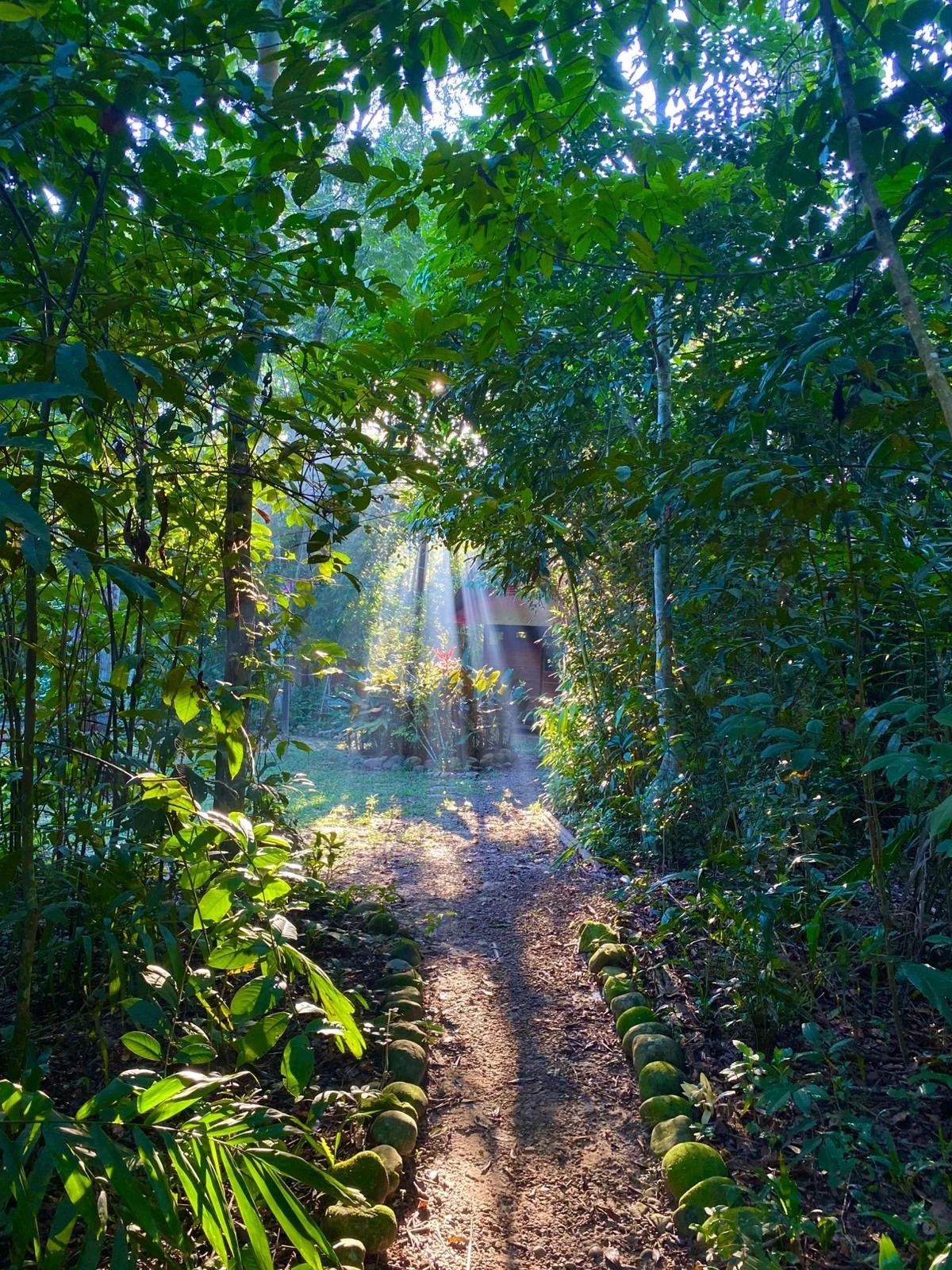
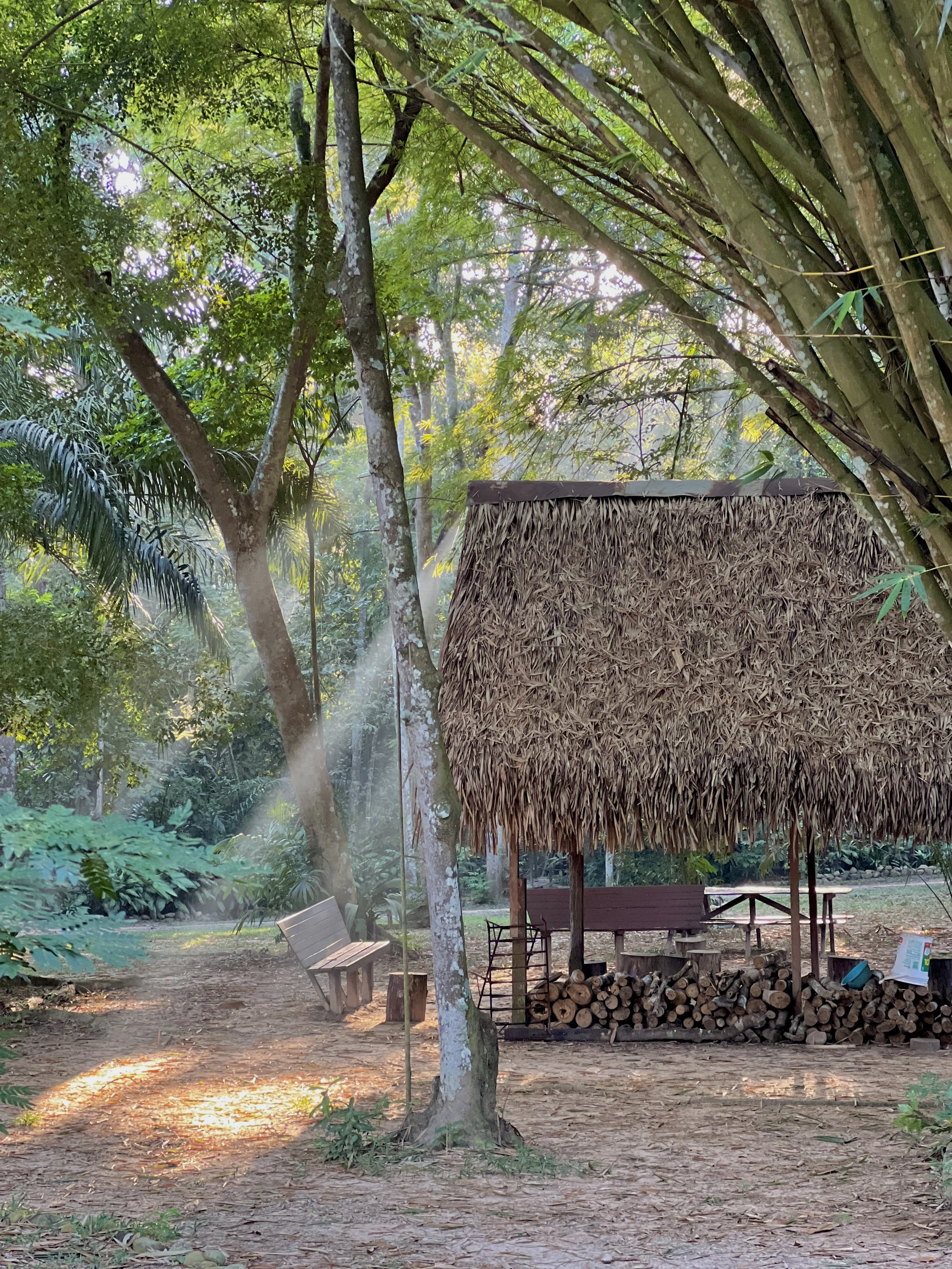
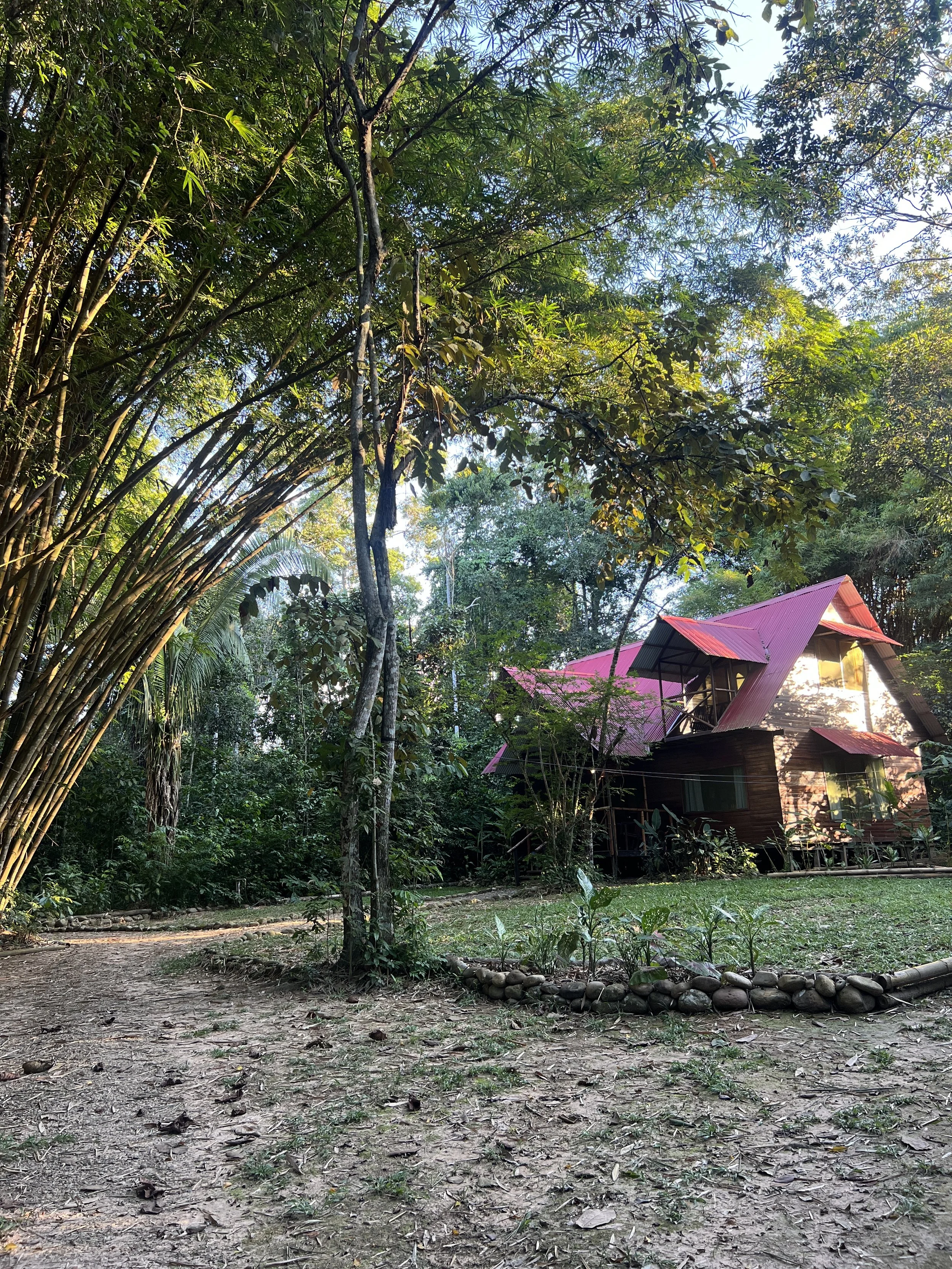
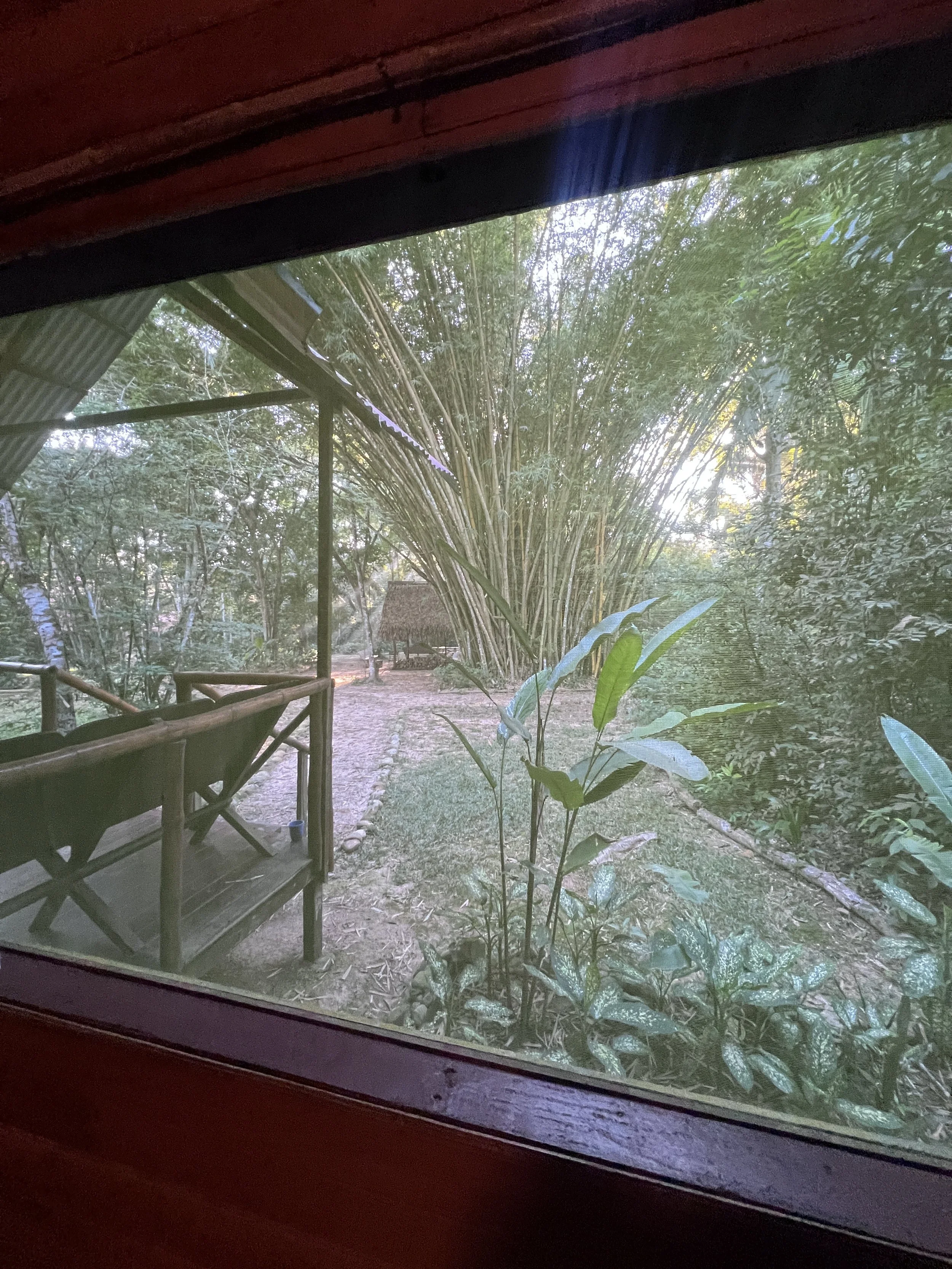
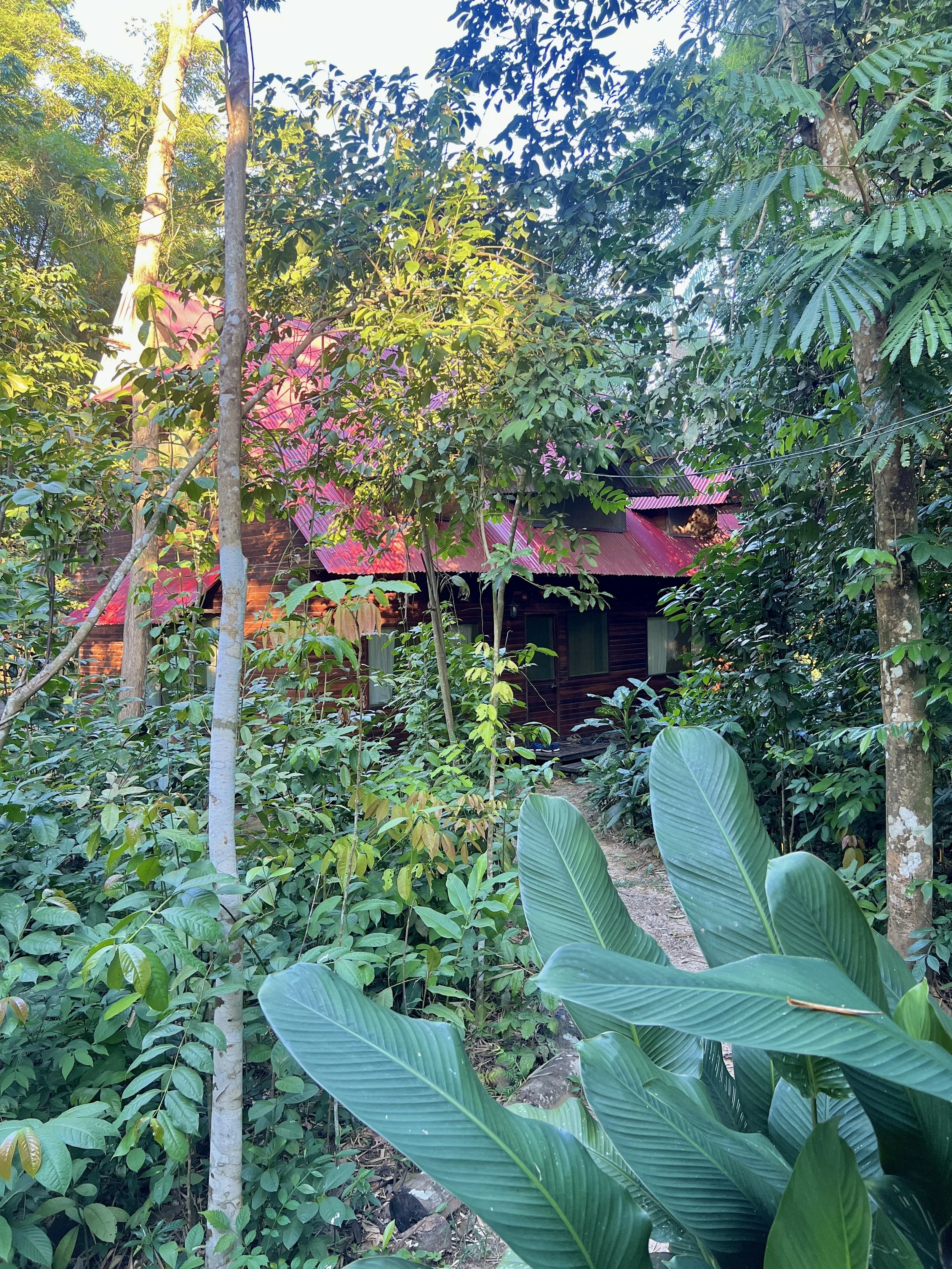
The retreat sits on twenty-five acres of lowland Amazon jungle. The property is peaceful, quiet, and surrounded by dense greenery and the natural sounds of the jungle. There is no WiFi unless it’s an emergency, which means you truly get to disconnect from life and reconnect with nature. It’s not a luxury resort and it’s not trying to be one… which is exactly what I wanted. The space is intentionally simple so the environment and the medicine can take center stage.
There are private and shared rooms, traditional tambos, open-air spaces for meals and gatherings, and different areas for rest and integration. All of the bathrooms are in outdoor huts, which I ended up loving way more than I expected. They’re clean, well maintained, and surprisingly comfortable. Overall, the property is simple but very well cared for. There is running water but no hot water, which is totally fine most of the year because the weather is warm. When I went in July it happened to be unusually cold (a jungle cold front is apparently a thing), so bring layers if you’re going during that time.
There’s also a lot of wildlife on the property. The monkeys were my favorite, but we saw everything from birds to insects to a sloth. The rooms don’t have glass windows, only netting, so the jungle feels very close. And at night, it sounds close too. The jungle gets loud and you can sometimes hear music from nearby houses, so earplugs are a must.
Mosquito levels also depend on the time of year. When I went in July—which is winter in the Southern Hemisphere—there were hardly any, but at other times they can be intense, so plan accordingly.
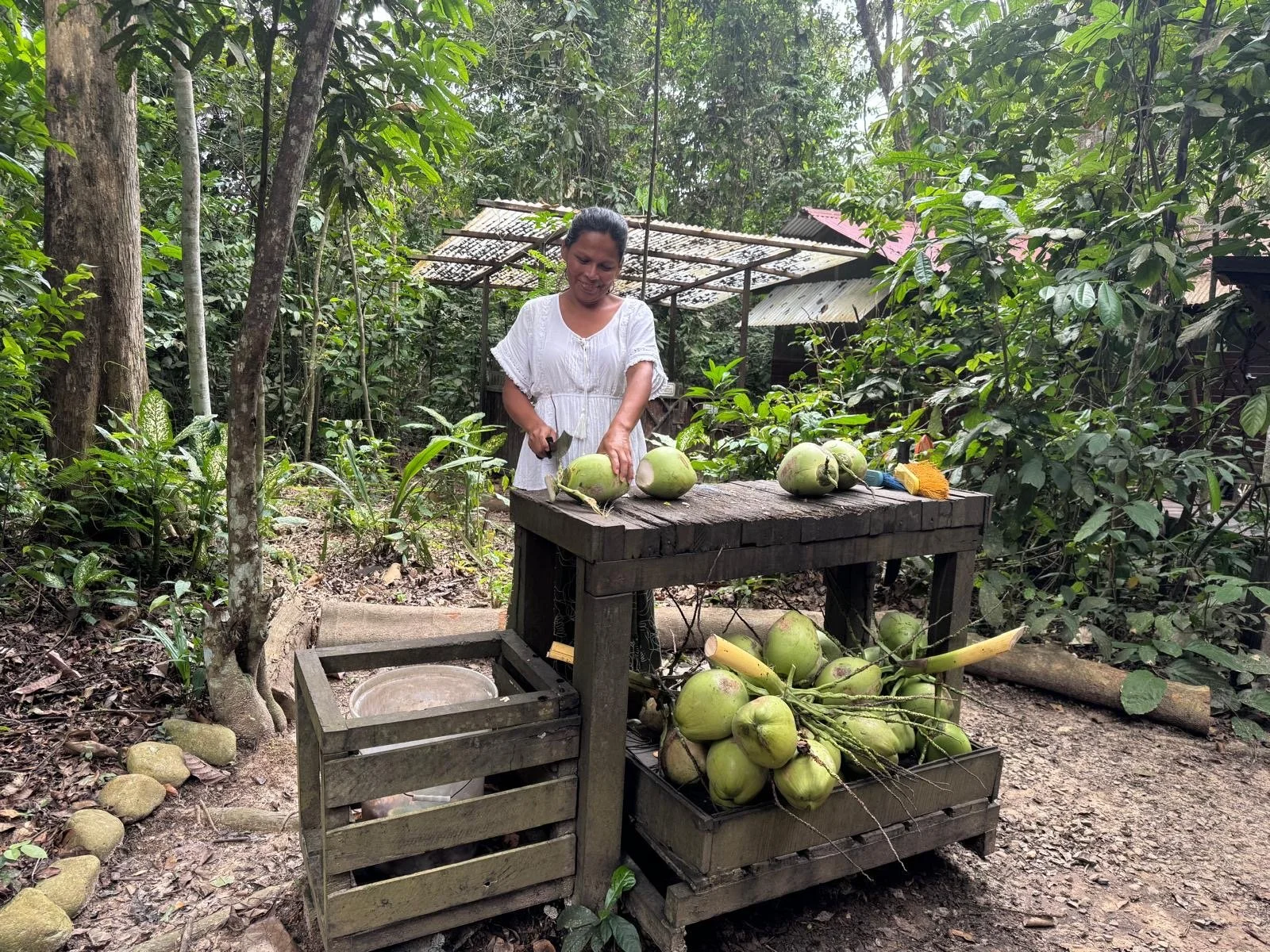
Three meals are provided every day, except on ceremony days when you don’t have dinner. And the food was genuinely one of my favorite parts. Everything was made by a local chef and tasted fresh and nourishing. By the end of the week my skin was glowing and my whole system felt reset.
The week at Nimea Kaya includes a mix of yoga, breathwork, meditation, plant baths, group integration sessions, and time in nature. You can see the full schedule here. It felt like the perfect balance of structure and downtime, with enough space to actually process what you’re feeling/going through while still offering support every step of the way.
Nimea Kaya brings in different facilitators throughout the year. The team who was there during my stay was I-N-C-R-E-D-I-B-L-E—warm, supportive, grounded, and genuinely invested in our experience. They guided the yoga, breathwork, and meditation sessions, which made everything feel intimate and safe. I loved them all!
The shamans at Nimea Kaya come from a local Shipibo community. The Shipibo people have been working with ayahuasca for generations, and their icaros and ceremonial practices come directly from their lineage. While the co-founders of Nimea Kaya (who are both wonderful) are from the United States, the shamans and the entire staff are local. It keeps the work rooted in the land, the culture, and the traditions this medicine comes from. This was something that was very important to me personally, and it’s also something the co=founders care deeply about and protect within the retreat structure.
Overall, I loved my experience at Nimea Kaya. It’s the real deal—nothing curated or overly polished—and for me, that’s exactly what made it so special.
The CEREMONIES
Let’s talk about the ceremonies, because they were really at the center of the whole experience. Ceremony days had their own rhythm… slower, quieter, more intentional… and they naturally pulled you inward as the evening approached.
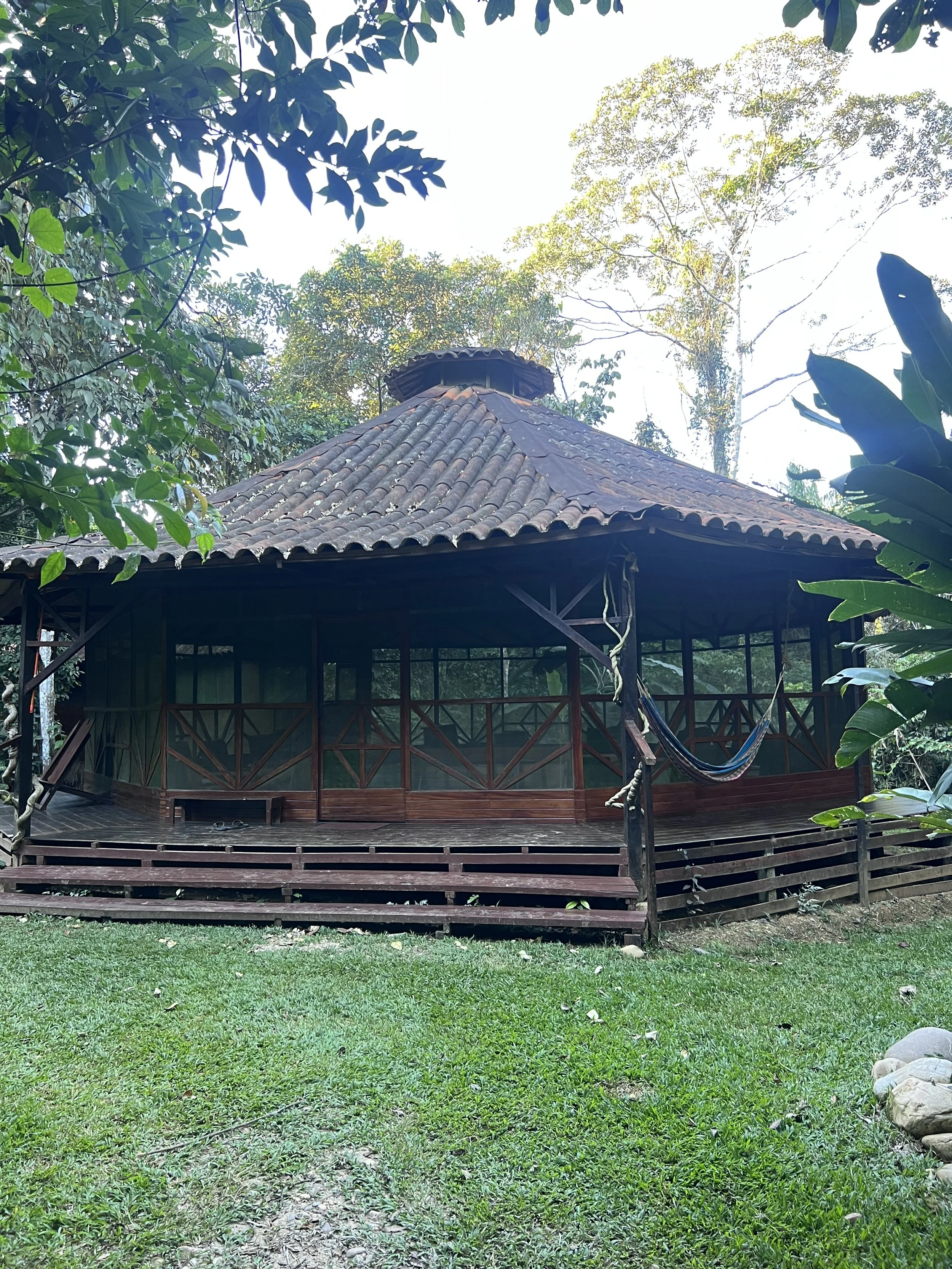
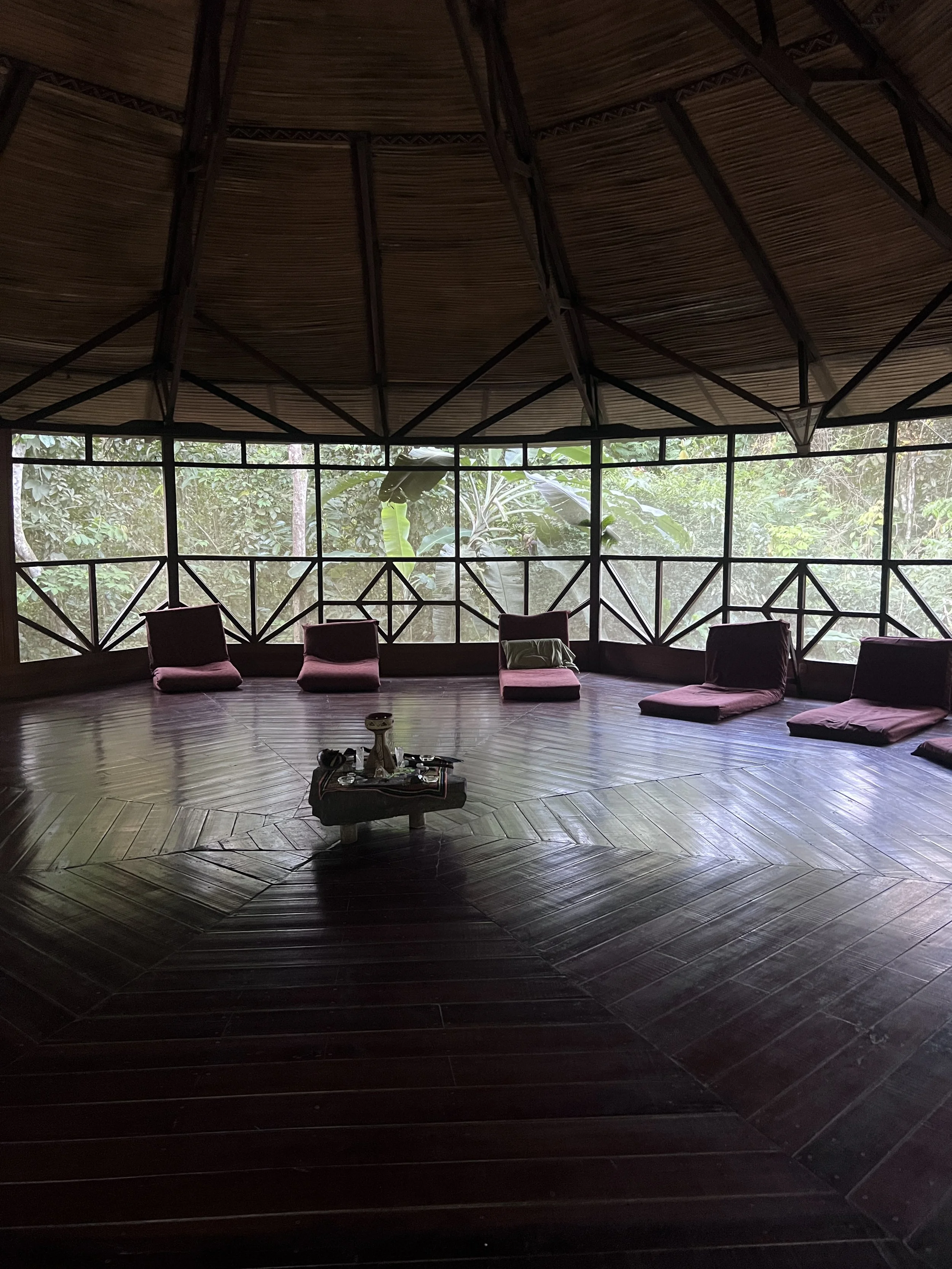
Ceremonies were held at night. While I was there, we headed to the maloka around 7pm. A maloka (pictured above) is an open-air circular structure used for many events throughout the week. It’s simple and spacious with a high thatched roof and room for everyone to have their own space. Men and women sat on opposite sides, and we were asked not to touch or interfere with anyone else’s process during the ceremony. When you arrived, you chose your spot for the night. Each space had a thick cushion, pillows, and a blanket. You could sit up, lie down, or shift as needed throughout the ceremony.
The ceremonies began around 7:30pm. Two of the volunteers started with a cleansing ritual, lightly saging each person to clear the energy in the room and bring everyone into the same grounded starting place. When they finished, the ayahuasca was brought from the altar to the shamans. There were two shamans during each ceremony. One of them blessed the medicine and set the intention for the night, and then both shamans took a small sip. After that, each person was given the medicine one by one.
On the first night everyone received the same dose so the group started from the same baseline. You could ask for more during the ceremony if you felt called to, and the volunteers kept very careful notes on how much each person took so they could tailor your dose for the following nights.
Once everyone had taken the medicine, the maloka became completely quiet for about forty-five minutes. Sometimes the medicine started moving in one or two people (usually someone began to purge), while others felt nothing at all. After this quiet period, the shamans began singing their icaros. Throughout the ceremony, they moved around the maloka and sat with each person individually to sing a personal icaro based on what they sensed in your energy and what they received from the medicine.
This was often the moment when the medicine activated for people. That’s what happened to me on nights two and three, and it is hard to explain just how powerful it was to have a shaman sit in front of me and sing directly to my energy. It’s something you have to feel to understand.
On the first night I didn’t feel the medicine very strongly, but nights two and three were completely different. I barely purged, but I had deep visions and incredibly clear message downloads. They were simple, but they shifted the way I see myself and my life. My whole journey was fun and light and joyful, which honestly shocked me. I fully expected a dark night of the soul and had prepared myself for intensity… and instead I got the opposite.
Every person had a completely different journey. Some people purged a lot. There were bathrooms inside the maloka and everyone had their own bucket. Some had very intense or challenging moments. Others were laughing. Some were moving their bodies in ways that made sense only to them. You never really knew what would come up. You could set intentions, but the medicine gave you what you needed, even if it wasn’t what you expected.
The volunteers stayed with us the entire time and were there the second anyone needed support. They made sure every single person felt safe and cared for throughout the night.
Ceremony usually wound down around midnight, and you could either sleep in the maloka or go back to your room. Most of us stayed together in the maloka. There was something deeply comforting about resting in the same space with people who had just gone through their own vulnerable experience right alongside you. It felt like we moved through something together that changed all of us, and it created a deep and intimate emotional.
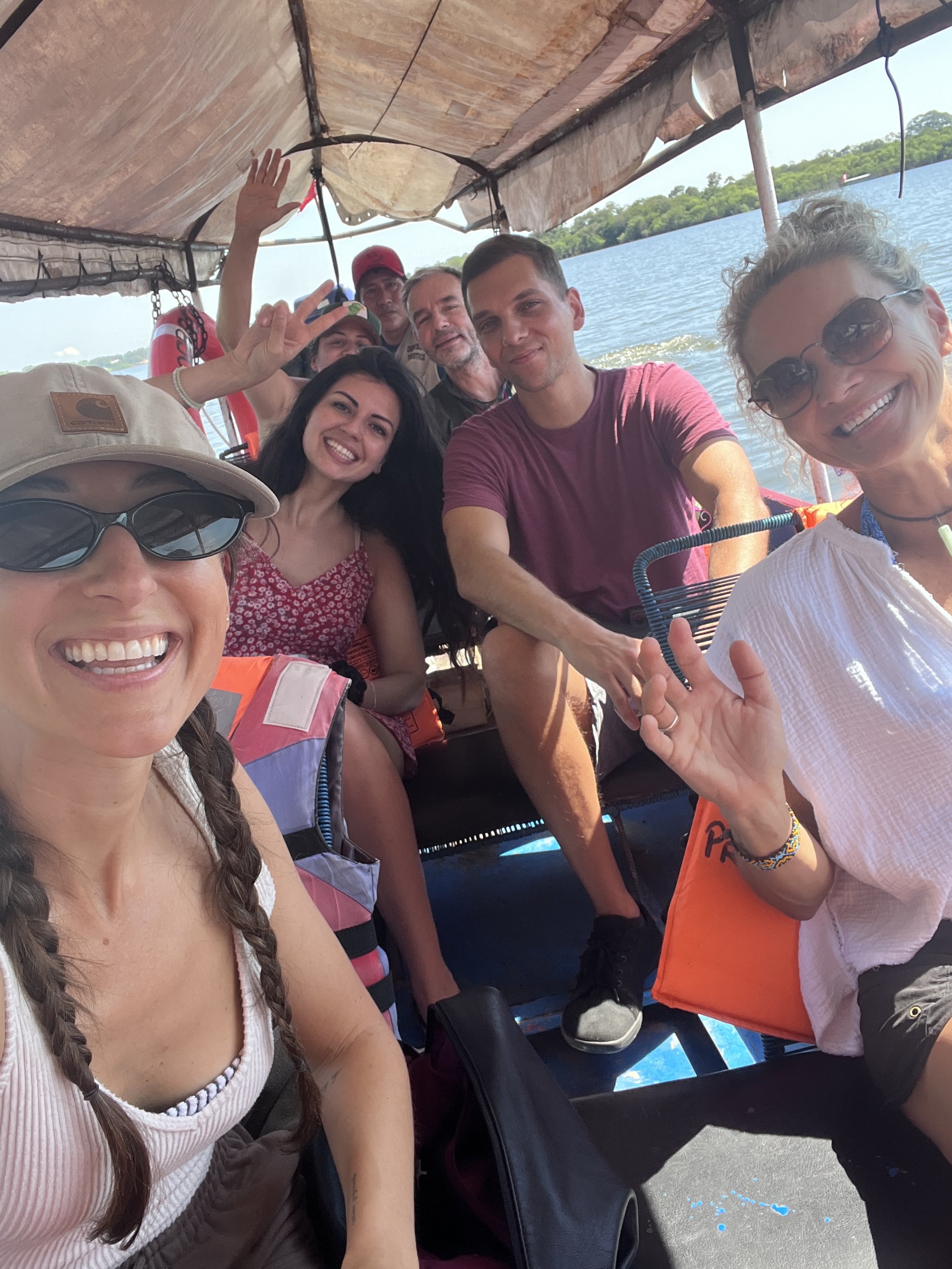
The next morning began with a plant bath from the shamans to help clear whatever we released. After that we had breakfast and then an integration circle where everyone shared what came up for them. I was nervous about sharing at first, but it ended up being one of the most meaningful parts of the week. Listening to everyone made me realize how connected we all were inside the ceremony. Someone’s laughter helped pull another person out of a dark moment. My humming (which I did for five hours straight during the second ceremony) ended up comforting the two girls on either side of me. None of us knew we were helping each other in real time, but the integration circle made it clear how woven together our experiences actually were. It was a reminder that none of us were doing this alone, even in the moments we felt like we were.
My Aya Experience
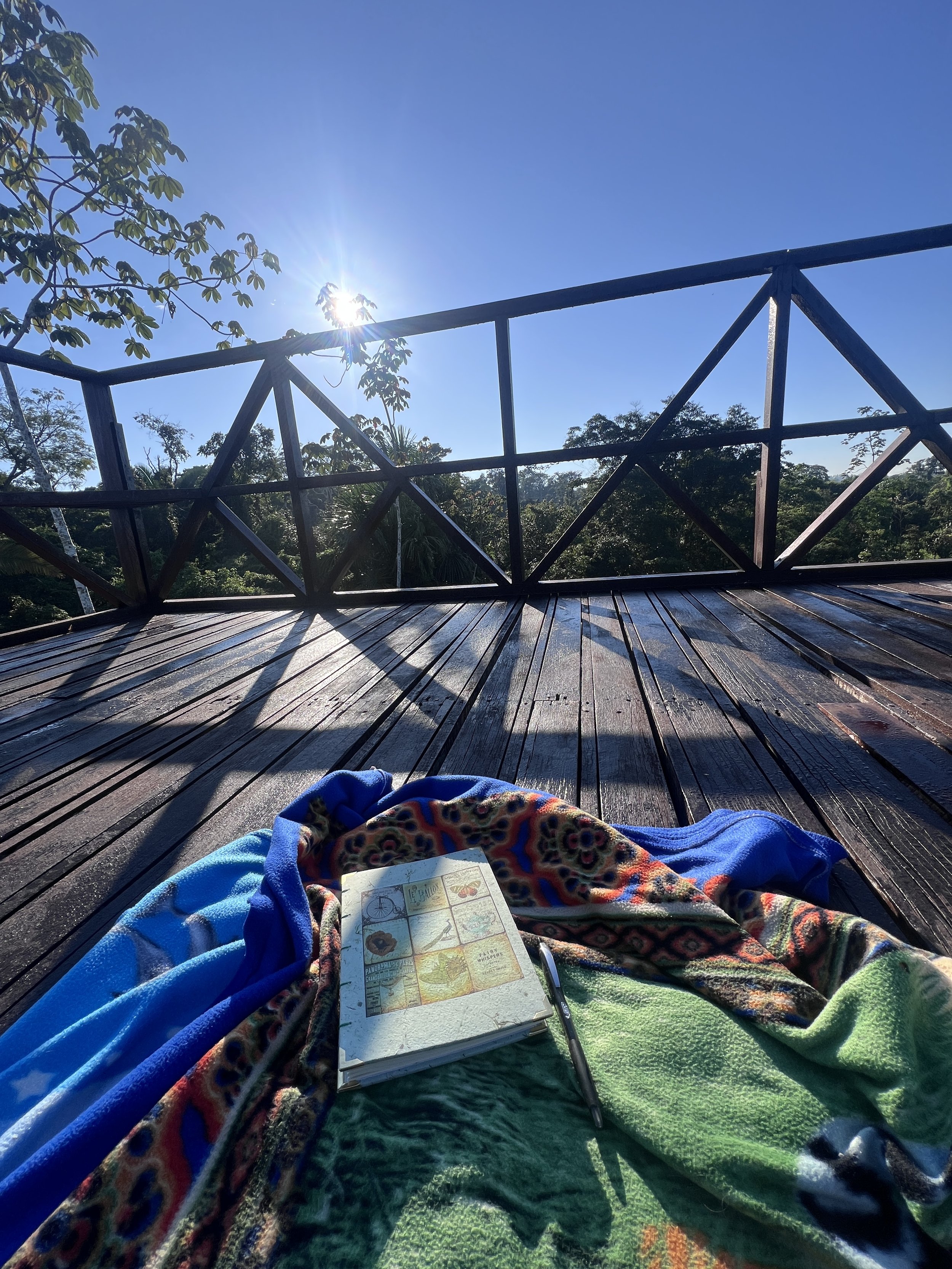
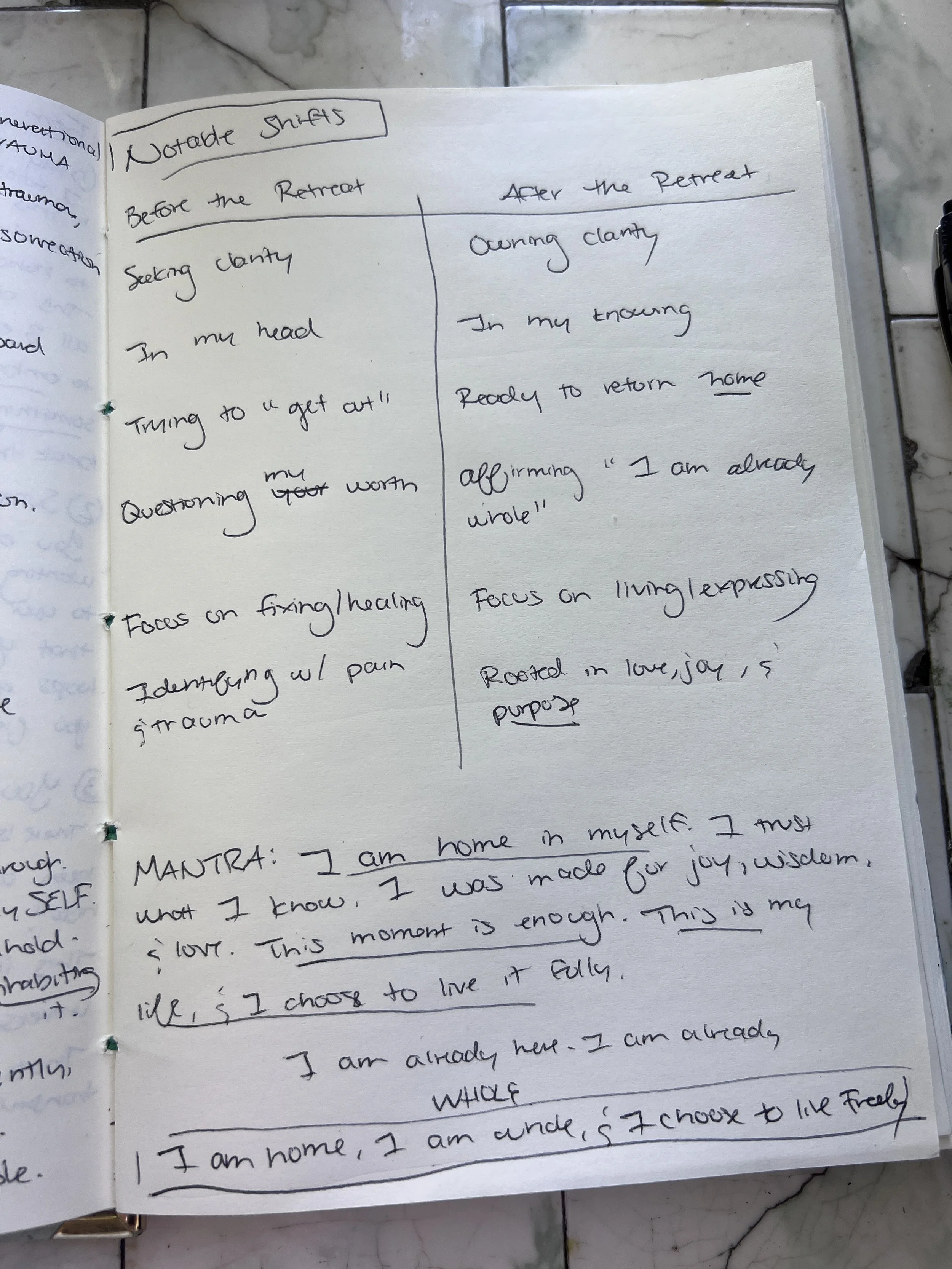
As I mentioned, the specifics of my journey are too personal to fully explain here without getting into childhood, family dynamics, past relationships, and the patterns that shaped me. But I can share the heart of what I learned.
The biggest realization that came through for me was how deeply I’ve been wired to operate in chaos. For most of my life, chaos felt familiar. It felt normal. And somewhere along the way, I equated “familiar” with “safe.” So when life finally became stable and supportive, it actually made me uncomfortable. I didn’t know how to relax into it. I didn’t know how to feel safe while being safe.
Mama Aya showed me that clearly. She made it impossible to ignore the ways I’ve been waiting for the other shoe to drop or bracing for impact even when nothing is even wrong. And instead of giving me a dark night of the soul, she gave me the exact opposite—clarity, calm, and this almost playful reminder that my next chapter is about learning how to let things be good. To stop trying to fix, predict, or prepare, and actually let myself feel grounded, supported, and okay.
What I walked away with was a deeper sense of trust. Trust in myself, trust in my intuition, and trust in the idea that life doesn’t have to be hard to be meaningful. My work now is simply learning how to feel safe in safety…. and to let that finally be enough.
Another thing that surprised me was how simple all the messages were for me. Just the truth that ease is allowed, that joy is allowed, and that I don’t have to earn my peace by suffering first. It made me realize how much of my life has been spent in survival mode even long after the survival part was over. That was the real breakthrough. Not a vision, not a purge, but the recognition that I’m finally in a place where I can choose differently. And that choosing safety, softness, and stability doesn’t mean I’m losing myself, it just means I’m meeting the version of me I’ve been trying to grow into for years. Now it’s my job to take what I learned and let it shape a new way of being, one that feels calmer, softer, and more aligned with who I really am.
Post-Ayahuasca Integration (Learn From My Mistakes)
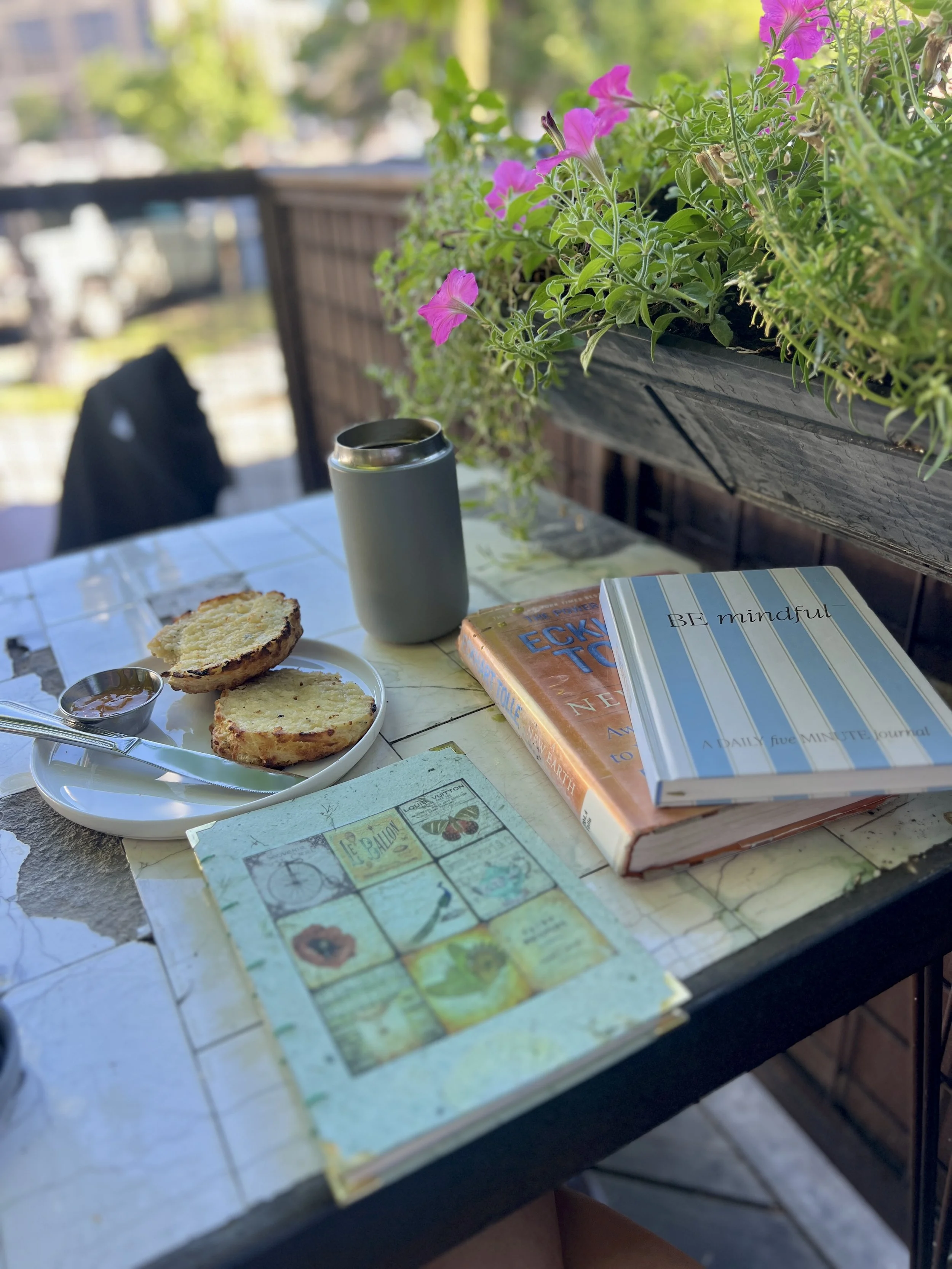
Now, I really want you to learn from my mistakes—because I did not take post-integration seriously. I thought the work was done after the retreat. I was wrong. So wrong. Looking back, I’d argue that post-integration is actually the most important part of this entire process. If I could do it again, I’d handle it completely differently.
After the seven days and three ceremonies, I flew straight back home to Salt Lake. I had about three days before going back to work, which was nowhere near enough. I ended up calling in sick on my first day back at work because the thought of being inside a building, staring at the harsh glow of my computer screen made me feel physically ill.
This is also where my mistake of telling everyone about the retreat came back to bite me. Everyone wanted to know what I’d experienced and I couldn’t handle it. I was still so raw, tender, and energetically open that even simple conversations felt overwhelming. I hadn’t processed or integrated what had happened, and suddenly being back in “normal life” was insanely jarring.
On top of that, I didn’t follow the post-retreat dieta. I went right back to caffeine, dairy, and gluten, which was a huge mistake. My body went completely haywire. I couldn’t sleep, I was constipated, my skin broke out, and the list went on. And as someone who works in wellness, it felt especially humbling to have my system so out of balance. It took months to feel normal again and I really wish I had honored the post-integration guidance Nimea Kaya gave us.
Their recommendations were clear: keep following the dieta for at least two weeks after the retreat—no alcohol, cannabis, pork, or processed foods—and stay mindful about reintroducing caffeine, dairy, and gluten. Continue moving gently, meditating, journaling, and spending time in nature. The idea is to stay clean and grounded so the medicine can keep working through you, rather than overwhelming your system.
And truly, I now see how energetically open you are after a retreat like this. It’s like your body, mind, and spirit are raw from everything that’s been shed and released. You need time to recalibrate…to move slowly and let the lessons settle.
If I could do it again, I’d take at least another week, maybe two, to go somewhere quiet to just be alone and write, rest, move, etc. I’d avoid screens, small talk, and anything that pulls me out of myself. Integration is where the real work happens, and I can’t stress enough how important it is to give yourself the space to do it intentionally.
Final Reflections
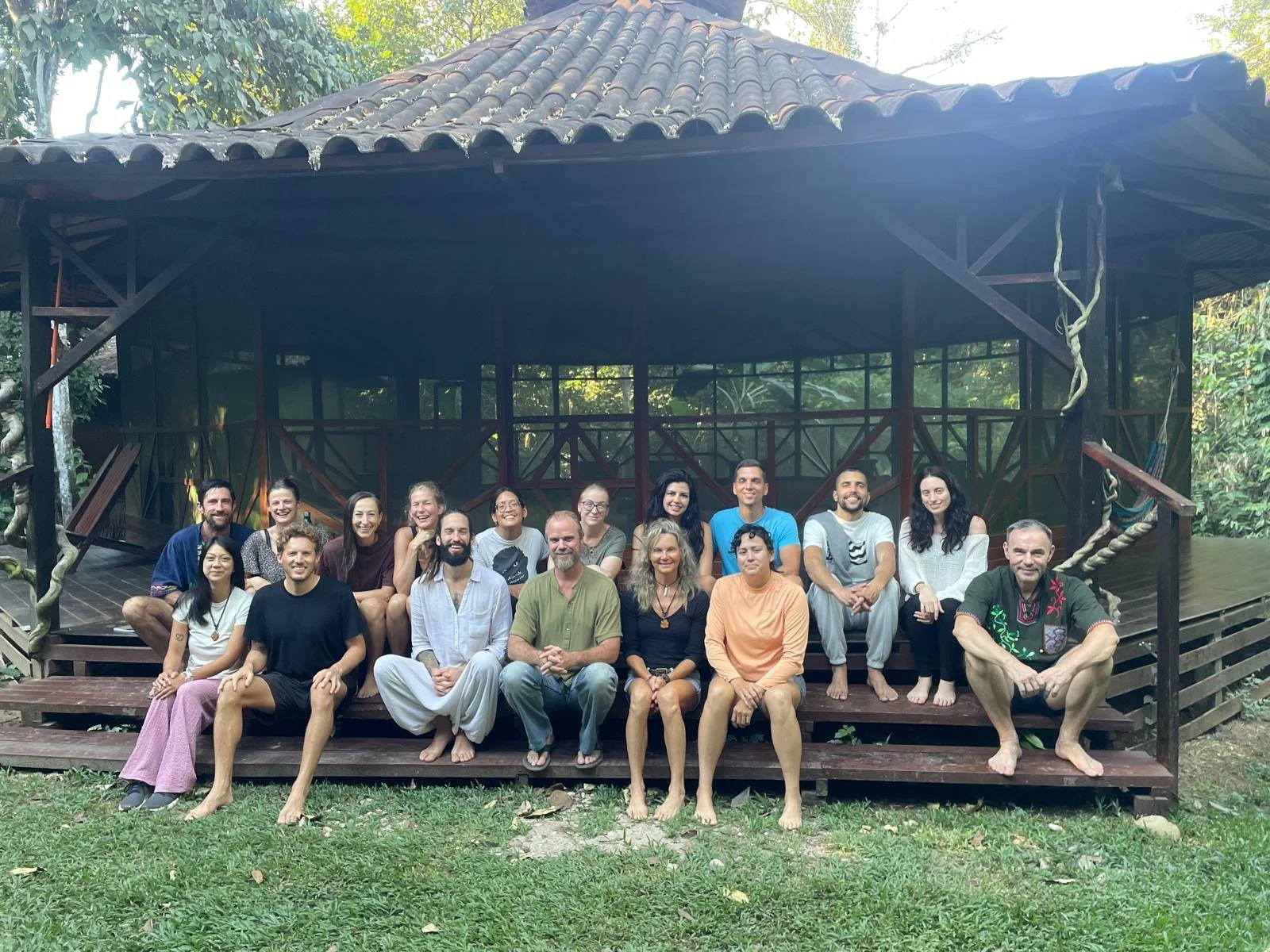
If there’s one thing this experience taught me, it’s that the ceremony doesn’t end when you leave the jungle. The real work begins when you come home and you’re met with the same routines, triggers, and patterns—but now with a different level of awareness. So take this part seriously. Give yourself the space to slow down, to listen, and to let everything settle. The medicine can open the door, but you’re the one who has to walk through it.
And one more thing: don’t force any of this. You’ll know if the medicine is meant for you. When Mama Aya calls, the pull is unmistakable.
If you have any questions or want to talk more about any part of this, please feel free to reach out. I know what a big decision this can feel like and I’m here for you.